
Stem Cells for
Disc Regeneration
Advancements in treating spinal cord injuries and back pain are transforming traditional approaches. While many doctors still rely on surgery and supportive care, innovative research into mesenchymal stem cells is reshaping the way disc degeneration and chronic back pain are managed.
Stem Cells for
Disc Regeneration

Advancements in treating spinal cord injuries and back pain are transforming traditional approaches. While many doctors still rely on surgery and supportive care, innovative research into mesenchymal stem cells is reshaping the way disc degeneration and chronic back pain are managed.
These cutting-edge treatments utilize mesenchymal stem cells delivered intravenously or directly into the affected disc. Beyond repairing damaged tissue, these cells demonstrate anti-inflammatory properties that help alleviate pain and potentially reverse disc degeneration.

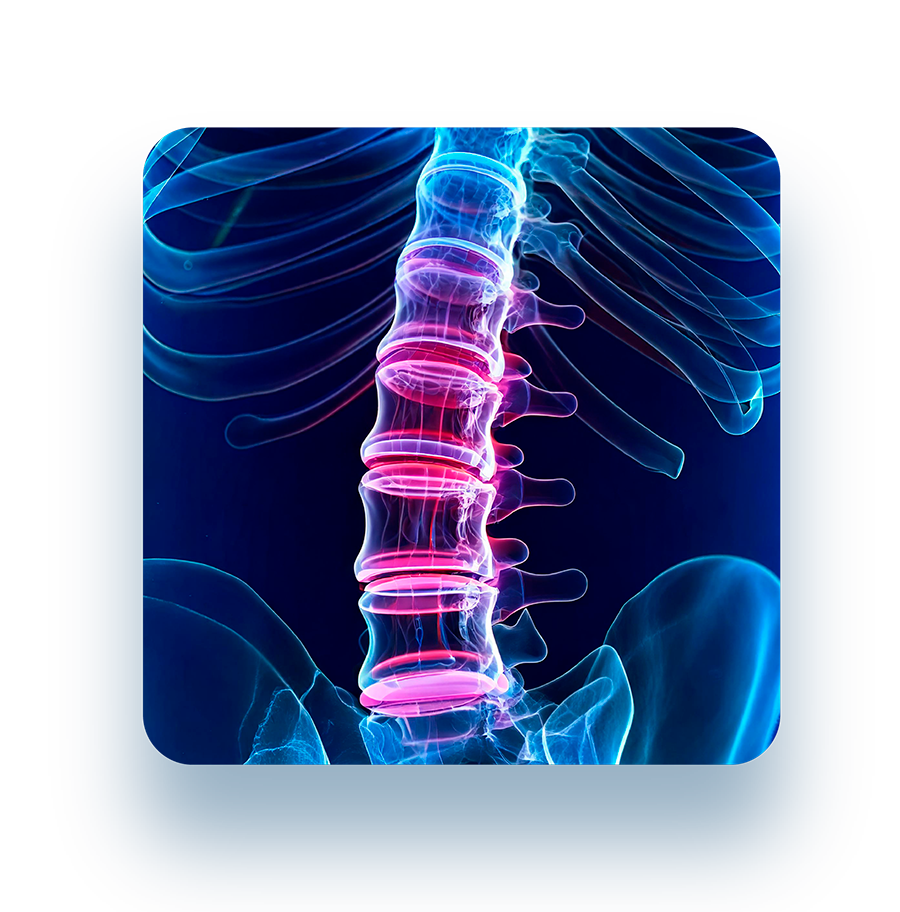
Degenerative Disc Disease (DDD) occurs when one or more vertebral discs become damaged, leading to chronic pain. This damage can happen naturally over time or as a result of severe injury, causing the disc to tear, herniate, or bulge.
When this occurs, exposed or irritated nerves can lead to pain, often localized in the neck (cervical spine) or lower back (lumbar spine).
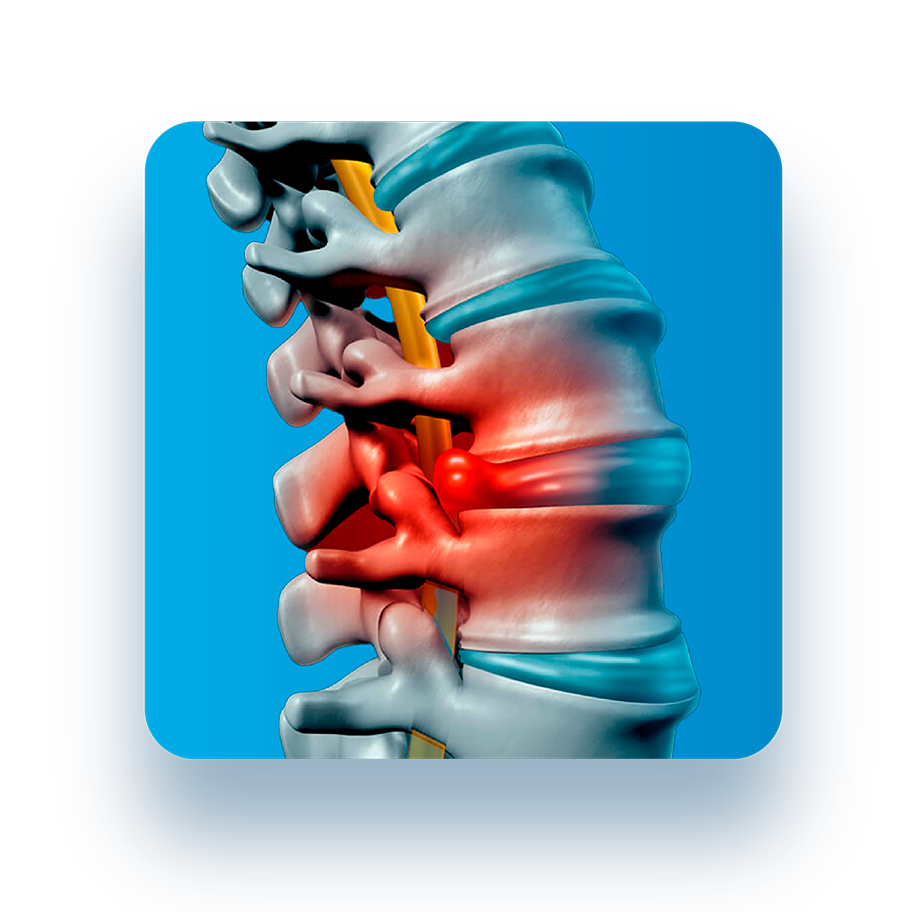
A herniated or bulging disc refers to a condition where the outer layer of the disc, known as the annulus fibrosus, is compromised. This damage can irritate nearby nerves or the spinal cord, resulting in intense pain, weakness, or numbness in the arms or legs. In severe cases, a significantly herniated disc may lead to paralysis.
How Do Stem Cells Help?
The intervertebral disc has minimal nerve endings and a limited blood supply, making it difficult for the disc to heal naturally. Without a consistent blood flow, it lacks the resources needed for self-repair.

Our proprietary Hypoxic Mesenchymal Stem Cells are specifically designed to thrive in the low-oxygen environment within discs, significantly enhancing the potential for long-term healing.

These stem cells can dramatically reduce pain, improve function, and decrease disc bulge size.

Mesenchymal stem cells (MSCs) locate damaged tissue, repair it, and trigger an anti-inflammatory response that supports overall disc health.

This response not only alleviates inflammation but also protects existing neurons.

Additionally, the injected stem cells can develop into neurons, replacing those that are damaged.
At Nexsis BioHealth, we amplify the benefits of MSC therapy through synergistic treatments that have been proven to effectively minimize inflammation and promote healing.
Stem Cell Disc Regeneration: A Modern Approach to Spinal Health
Chronic back pain caused by degenerative disc disease and spinal disc damage affects millions of people and can significantly limit mobility and quality of life. As regenerative medicine continues to advance, stem cell disc regeneration is being explored as a potential option for individuals seeking alternatives to long-term pain management or invasive surgery. This approach focuses on supporting the body’s natural repair mechanisms rather than simply masking symptoms.
Understanding Disc Degeneration
Spinal discs act as cushions between the vertebrae, allowing flexibility and absorbing shock during movement. Over time, injury, aging, or repetitive stress can cause these discs to lose hydration and structural integrity. This degeneration may lead to pain, stiffness, reduced range of motion, and nerve irritation.
Traditional treatments often include physical therapy, pain medication, steroid injections, or surgery in advanced cases. While these options can be effective, they may not address the underlying disc damage itself. This has led to growing interest in regenerative strategies such as stem cell disc regeneration.
How Stem Cell Disc Regeneration Works
Stem cells used in regenerative spine therapies are known for their ability to release growth factors and signaling molecules. Rather than directly replacing damaged tissue, these cells help create a healing environment that may support disc health.
In stem cell disc regeneration, these biologic signals may:
- Reduce inflammation around the affected disc
- Support tissue repair and cellular activity
- Improve disc hydration and structure
- Promote a healthier spinal environment
These therapies are typically minimally invasive and guided by imaging to ensure precise placement.
Who May Benefit from Stem Cell Disc Regeneration
Stem cell-based disc treatments are generally considered for individuals with early to moderate disc degeneration who have not found relief with conservative care. Proper evaluation is essential to determine whether this approach is appropriate, as not all spinal conditions respond the same way.
Patients considering regenerative options should undergo thorough diagnostic imaging and consultation with qualified medical professionals.
As research continues, stem cell disc regeneration represents a promising area within regenerative spine care. Clinics such as Nexsis BioHealth, which specialize in evidence-based regenerative medical therapies, are helping advance this field through carefully guided treatment protocols, thorough patient evaluations, and a strong emphasis on safety and clinical standards. Ongoing clinical studies will continue to refine these approaches and clarify where regenerative therapies may fit within long-term strategies for managing disc-related back pain.

FAQS
Is stem cell disc regeneration a cure for back pain?
No. Stem cell disc regeneration is not considered a cure but may help reduce symptoms and support disc health in certain patients.
Can stem cell therapy replace spinal surgery?
In some cases, regenerative therapy may delay or reduce the need for surgery, but it is not a guaranteed alternative and depends on the severity of disc damage.
How is stem cell disc regeneration performed?
The procedure is typically minimally invasive and image-guided to ensure accurate placement of biologic material into the affected disc.
Is stem cell disc regeneration safe?
Safety depends on proper patient selection, medical protocols, and provider expertise. Treatments should only be performed by qualified medical professionals.
Who is a candidate for stem cell disc regeneration?
Candidates vary but often include patients with disc degeneration who have not responded to conservative treatments and wish to avoid surgery.