
Stem Cells and
Neurological Conditions
Neurological conditions, including brain and spinal injuries or degenerative diseases, present significant challenges for patients and their families.
Stem Cells and
Neurological Conditions
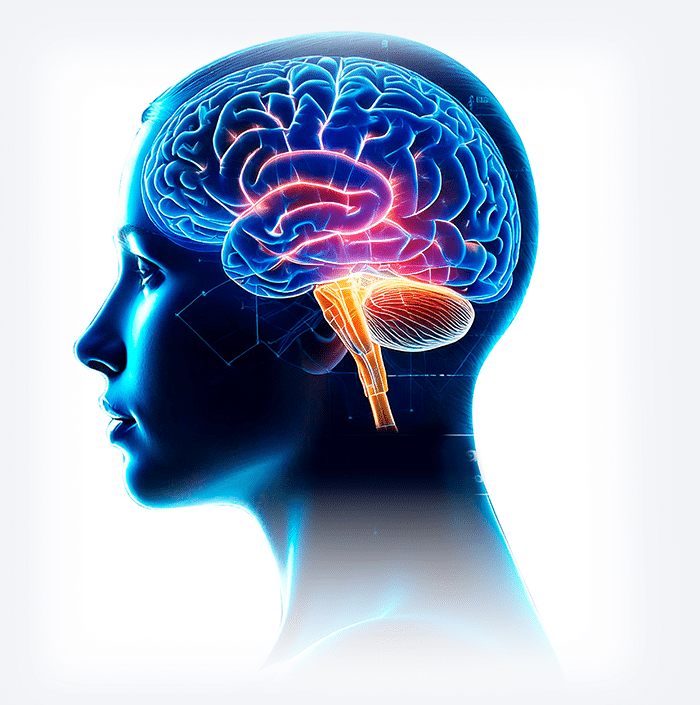
Neurological conditions, including brain and spinal injuries or degenerative diseases, present significant challenges for patients and their families.
Symptoms such as memory loss, weakness, sensory issues, mobility difficulties, vision problems, slurred speech, and cognitive decline can severely affect quality of life.

Conventional treatments like surgery and medication are often limited in their effectiveness, sometimes carrying risks or side effects that complicate recovery.
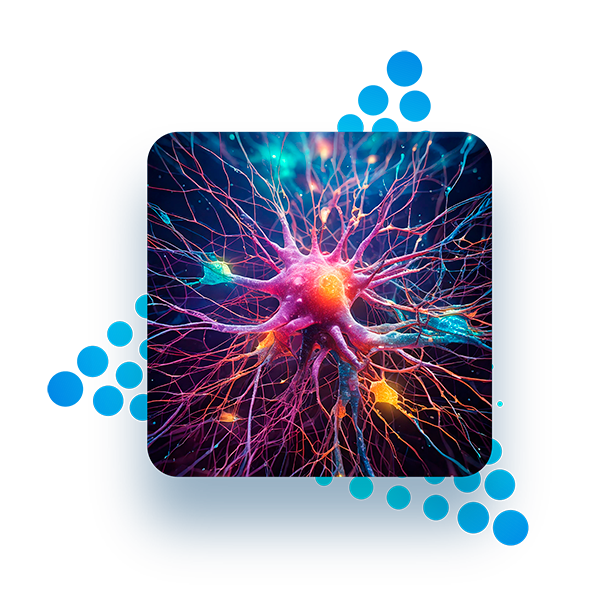
How Stem Cells Help Neurological Degeneration Stem cell therapy offers a groundbreaking approach to addressing neurological degeneration by focusing on regeneration rather than symptom management.
This innovative treatment has shown promise in repairing or replacing damaged cells in the nervous system, potentially reversing some effects of injury or disease. Stem cells have the unique ability to transform into specialized cells like neurons, providing an opportunity to rebuild damaged tissue.
Neurological Degeneration and Related Disorders
Neurological degeneration encompasses a broad spectrum of conditions, including:

Parkinson's Disease

Alzheimer's Disease

Epilepsy

Migraines

Stroke

Spinal Cord Injuries
Brain Injuries such as traumatic brain injury (TBI) and chronic traumatic encephalopathy (CTE)
The potential of regenerative therapy is transforming diseases and injuries once considered untreatable. Through advances such as brain stem cell treatment, stem cell therapy is reshaping the medical landscape. While ongoing research is needed to fully understand its potential, early results indicate it may slow progression, restore function, or even regenerate lost abilities
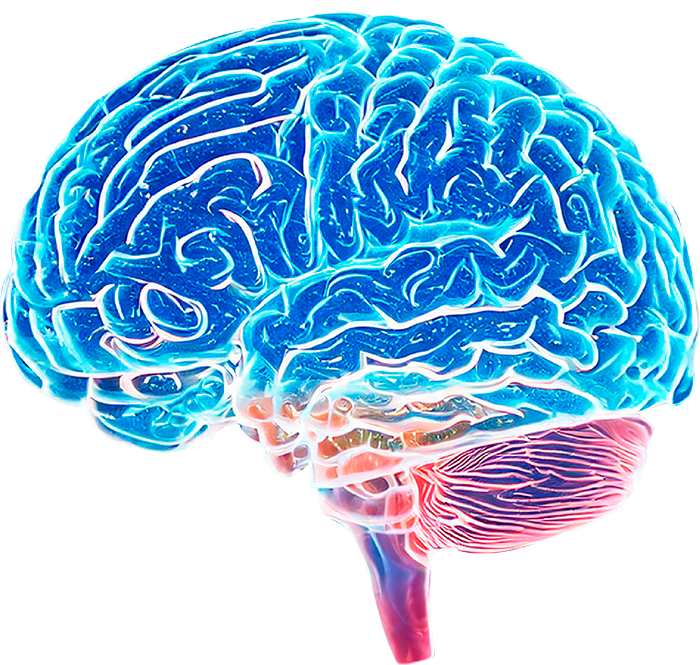
Stem cell therapy provides hope for patients facing the challenges of neurological degeneration, offering a new pathway toward improved outcomes and quality of life.
Brain Stem Cell Treatment: Exploring Regenerative Approaches in Neurological Care
Advances in regenerative medicine have expanded interest in brain stem cell treatment as researchers continue to study new ways to support neurological health. Conditions affecting the brain are often complex, involving inflammation, cell damage, or disrupted signaling pathways. Traditional treatments focus on managing symptoms and slowing progression, while regenerative strategies aim to support the body’s own repair mechanisms. Brain stem cell treatment is being explored as part of this evolving landscape, offering a potential complementary approach under strict medical guidance.
Understanding Brain-Related Conditions
Neurological conditions can arise from injury, degeneration, inflammation, or reduced blood flow to the brain. Disorders such as traumatic brain injury, stroke-related damage, neuroinflammatory conditions, and certain neurodegenerative diseases may impact cognition, mobility, and quality of life.
Conventional care typically includes medication, rehabilitation therapy, and lifestyle management. While these approaches are essential, they may not directly address cellular-level damage. This gap has driven scientific interest in regenerative therapies, including brain stem cell treatment, to better understand how cellular signaling and repair may be supported.
How Brain Stem Cell Treatment Is Being Studied
Stem cells used in neurological research are valued not because they replace brain tissue directly, but because of how they interact with the surrounding environment. These cells release signaling molecules and growth factors that may help regulate inflammation and support cellular communication.
Current studies examining brain stem cell treatment focus on how these therapies may:
- Support a healthier inflammatory response
- Encourage cellular repair mechanisms
- Improve the neural environment
- Aid recovery alongside rehabilitation programs
It is important to note that these treatments are still under active research and are not considered cures for neurological diseases.
Brain Stem Cell Treatment as a Complementary Option
Brain stem cell treatment is not intended to replace established neurological care. Instead, it is being evaluated as a complementary option that may be integrated into a broader, physician-guided treatment plan. Patient outcomes can vary widely based on diagnosis, disease stage, and overall health.
Proper patient screening, ethical sourcing of stem cells, adherence to medical protocols, and realistic expectations are essential components of responsible regenerative care.
Safety, Ethics, and Clinical Oversight
Any form of brain stem cell treatment must follow strict medical and ethical standards. Safety depends on factors such as treatment protocols, delivery methods, patient selection, and provider expertise. Ongoing clinical research continues to refine best practices and clarify where regenerative approaches may fit within neurological care.
Patients considering these therapies should consult qualified medical professionals and rely on evidence-based guidance.
As research continues to advance, brain stem cell treatment represents a developing area of regenerative medicine focused on supporting neurological health. Providers such as Nexsis BioHealth, which emphasize evidence-based regenerative medical care and careful patient evaluation, contribute to this field by following medically guided protocols and established clinical standards. Ongoing studies will continue to clarify the role, limitations, and potential benefits of regenerative therapies within long-term, responsible neurological care strategies.
FAQS
Is brain stem cell treatment a cure for neurological conditions?
No. Brain stem cell treatment is not considered a cure. It is being studied for its potential supportive role in neurological care.
Which conditions are being researched with brain stem cell treatment?
Research includes traumatic brain injury, stroke-related damage, neuroinflammatory conditions, and certain neurodegenerative disorders.
Can brain stem cell treatment replace medication or therapy?
No. It is not a replacement for traditional treatment and may only be considered as part of a comprehensive care plan.
Is brain stem cell treatment safe?
Safety depends on medical oversight, treatment protocols, and patient selection. Therapies should only be pursued through qualified providers.
Who may be considered for brain stem cell treatment?
Candidacy varies based on diagnosis, medical history, and physician evaluation.