
Orthopedic Stem Cell Therapy vs. Surgery – A Modern Perspective
For patients experiencing chronic joint pain, one question often arises:
Should I proceed with surgery or explore regenerative options first?
Orthopedic Stem Cell Therapy is increasingly discussed as part of conservative musculoskeletal care.

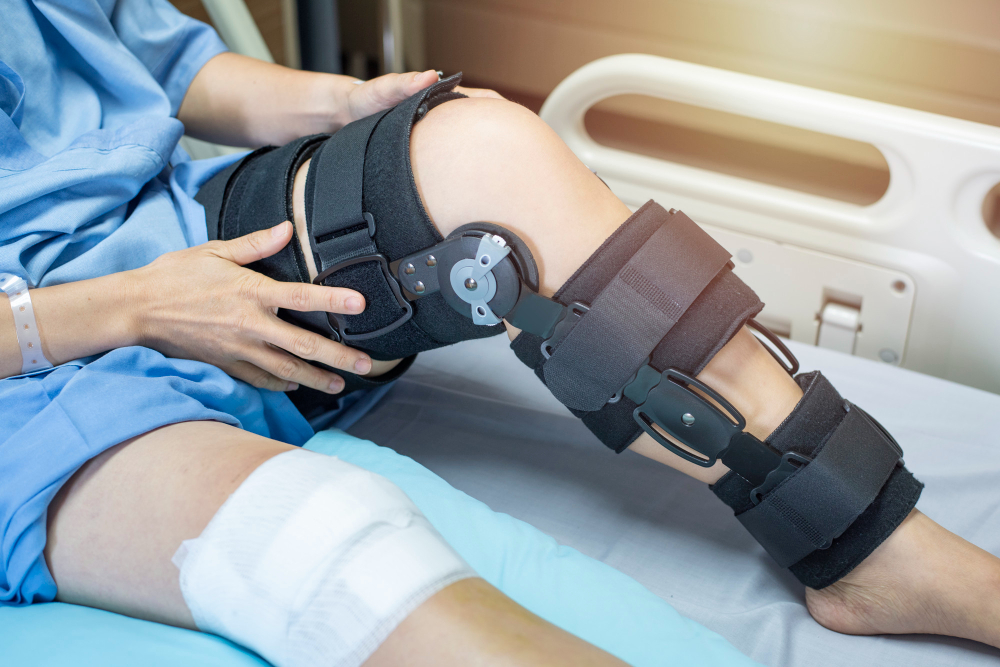
Traditional Surgical Intervention
Surgery can be appropriate in severe structural damage cases. However, it typically involves:
- Extended recovery periods
- Physical rehabilitation
- Surgical risks
- Post-operative discomfort
For mild to moderate degeneration, some patients explore non-surgical approaches first.
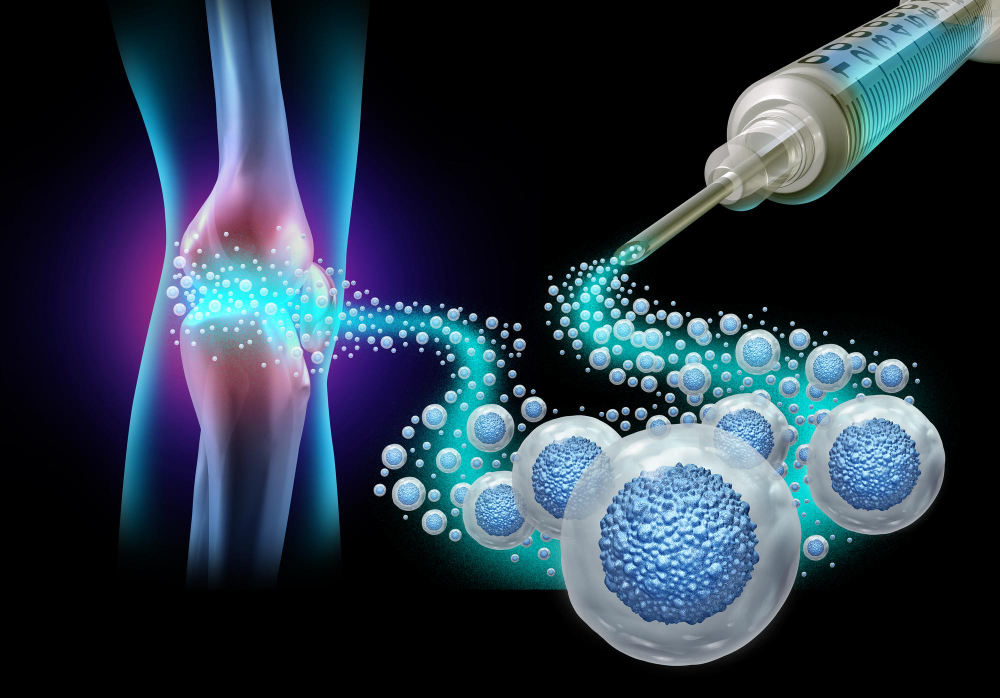
How Orthopedic Stem Cell Therapy Works
Stem cell therapy in orthopedic applications focuses on:
- Supporting joint environments
- Modulating inflammatory signaling
- Enhancing tissue repair processes
- Potentially improving mobility
Procedures are typically image-guided for precision placement.
Importantly, stem cells do not “regrow” entire joints. They influence cellular activity within the affected area.

Who May Be Considered?
Candidates may include patients who:
- Have not responded to conservative therapy
- Want to delay joint replacement
- Have moderate degenerative changes
- Are seeking improved function
Every patient requires careful evaluation to determine suitability.

A Balanced Approach at Nexis BioHealth
At Nexis BioHealth, orthopedic stem cell therapy is not marketed as a surgical replacement. Instead, it is integrated within a structured care plan that may include:
- Rehabilitation
- Lifestyle modification
- Performance optimization
- Long-term joint health strategies
Regenerative medicine is about enhancing function responsibly — not offering shortcuts.
As clinical research continues, orthopedic stem cell therapy remains a growing area within regenerative healthcare. When guided by experienced physicians and realistic expectations, it may offer an alternative pathway for patients seeking non-surgical joint support.