
Stem Cell Therapy for Knee Pain: A Regenerative Approach to Joint Health
By Nexis BioHealth
Knee pain is one of the most common musculoskeletal complaints affecting adults of all ages. Whether caused by arthritis, sports injuries, or long-term wear and tear, knee discomfort can limit mobility and interfere with everyday activities. Traditional treatment options such as medication, physical therapy, and surgery may provide relief, but many patients are now exploring regenerative medicine as an alternative approach. Stem Cell Therapy for Knee Pain is gaining attention for its potential to support the body’s natural healing processes and improve joint function.
At Nexis BioHealth, regenerative medicine focuses on addressing the underlying biological environment within the joint rather than simply masking symptoms. This patient-centered approach aims to support long-term mobility and joint health.


Understanding the Causes of Knee Pain
The knee is one of the most complex and heavily used joints in the body. It supports body weight, absorbs shock, and enables movements such as walking, bending, and climbing stairs. Because of this constant use, the knee is especially vulnerable to injuries and degenerative conditions.
Common causes of chronic knee pain include:
- Osteoarthritis and cartilage degeneration
- Sports-related ligament or tendon injuries
- Meniscus damage
- Chronic inflammation within the joint
- Previous trauma or repetitive strain
When cartilage begins to deteriorate, the joint may become inflamed and painful. Over time, this can reduce flexibility and make normal movement difficult.
How Stem Cell Therapy May Help
Stem cells used in regenerative medicine are studied for their ability to release growth factors and signaling molecules that influence the body’s natural healing environment. Rather than replacing damaged tissue directly, stem cells help support the repair process and may promote healthier cellular communication within the joint.
In Stem Cell Therapy for Knee Pain, stem cells are typically introduced into the affected area through guided injections. Once delivered to the joint, they may help:
- Reduce inflammation
- Support tissue repair
- Improve joint stability and mobility
- Encourage healthier joint function
This regenerative approach focuses on supporting the body’s own ability to recover and maintain tissue health.


Why Patients Consider Regenerative Treatments
Many individuals consider Stem Cell Therapy for Knee Pain when conventional treatments no longer provide lasting relief. For some patients, surgery may seem too invasive or require lengthy recovery times. Regenerative therapies offer a minimally invasive option that may support joint function without major surgical procedures.
Potential advantages may include:
- A minimally invasive treatment approach
- Reduced recovery time compared to surgery
- Support for joint tissue health
- Improved comfort and mobility
However, outcomes vary for each patient, and careful evaluation by a medical professional is essential.
Personalized Care at Nexis BioHealth
At Nexis BioHealth, every regenerative treatment begins with a detailed consultation. Physicians review medical history, imaging results, and current symptoms to determine whether stem cell therapy may be appropriate. Treatment plans are carefully designed to meet each patient’s specific health goals and mobility needs.
The clinic focuses on responsible regenerative medicine, combining advanced biologic therapies with individualized patient care. By addressing inflammation, supporting tissue health, and encouraging natural healing processes, Nexis BioHealth aims to help patients improve joint function and maintain an active lifestyle.

The Future of Knee Pain Treatment
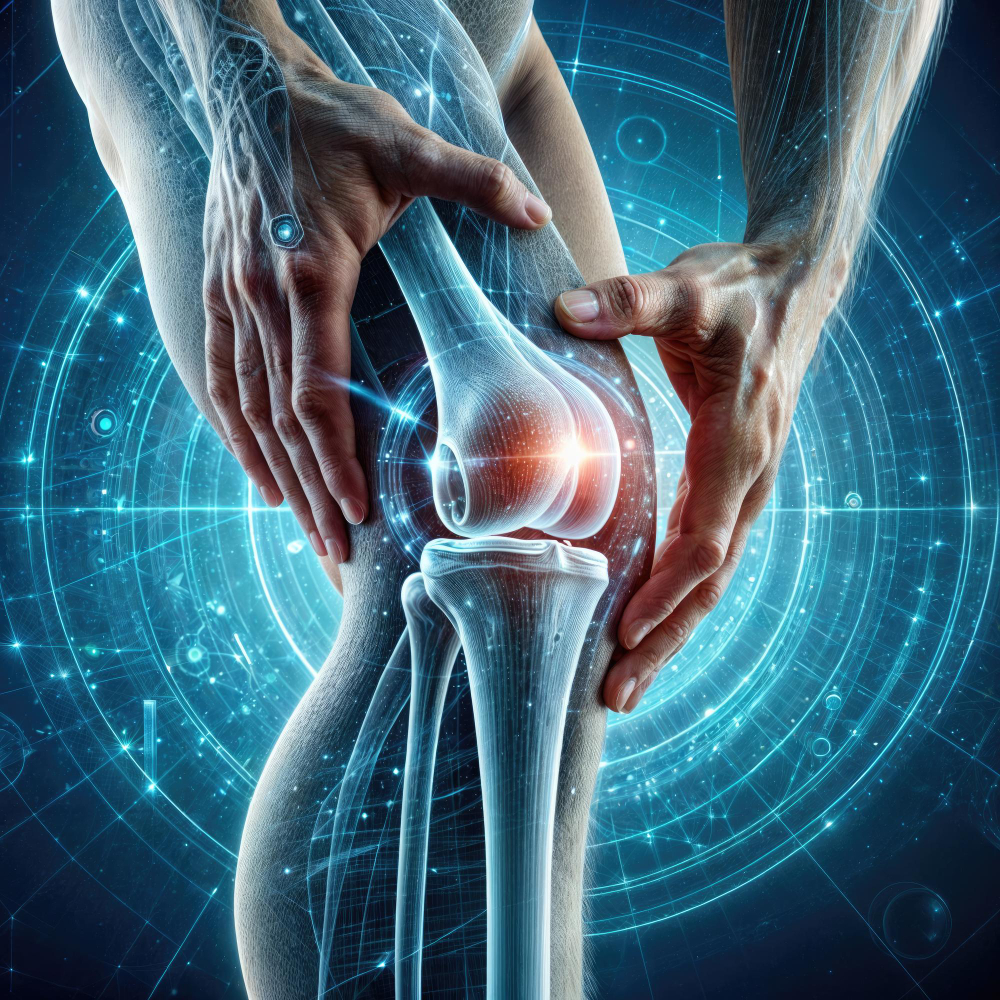
Research in regenerative medicine continues to expand, and therapies like Stem Cell Therapy for Knee Pain are becoming an important focus in modern orthopedic care. While studies continue to refine treatment protocols and long-term outcomes, regenerative approaches are helping reshape how knee pain and joint degeneration are managed.
For individuals looking for innovative options to support joint health and mobility, regenerative medicine may provide a promising path toward improved comfort, function, and quality of life.