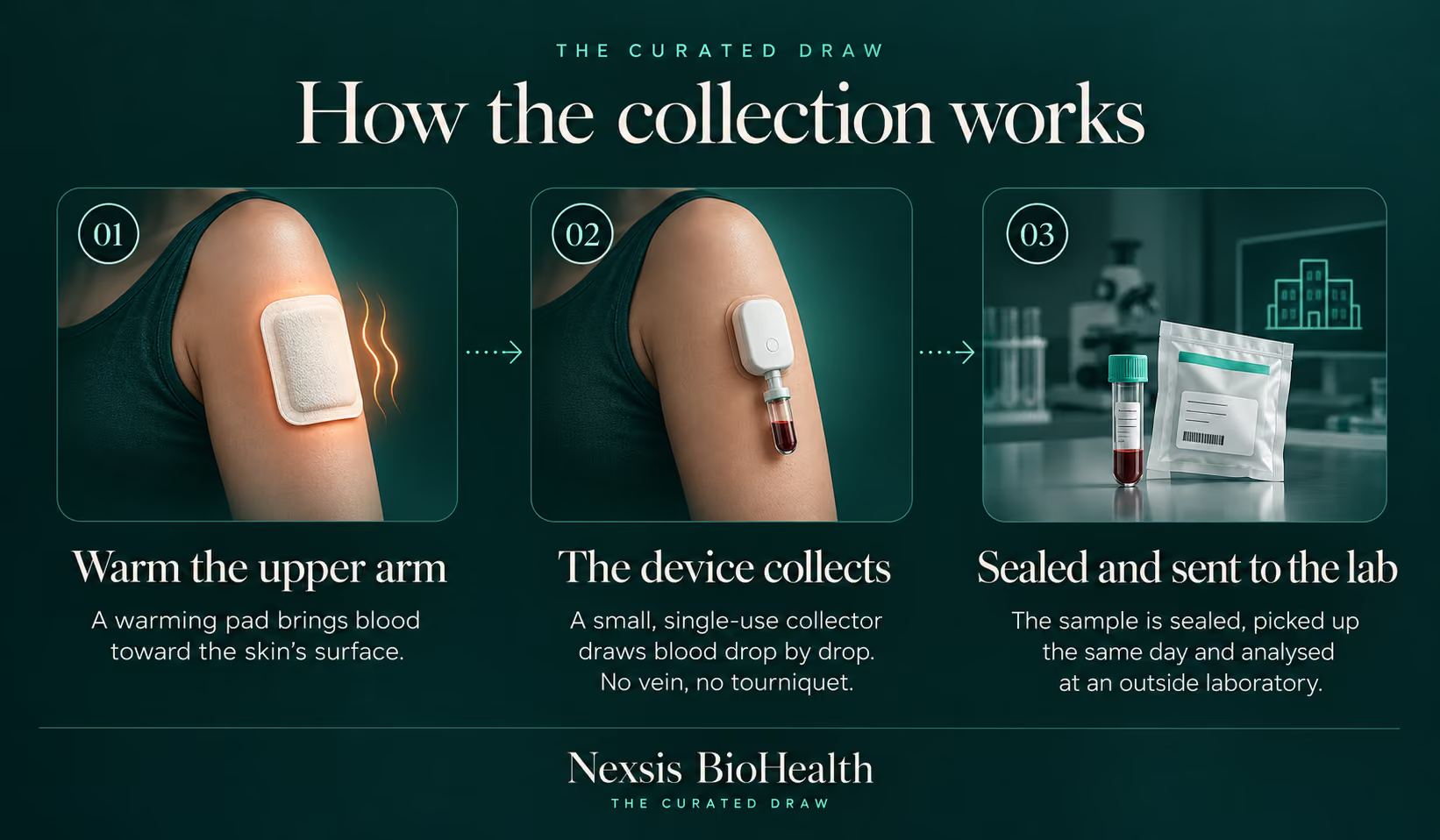
A single-use device sits on your upper arm, warms the skin, and draws blood out drop by drop into a sealed collector.
Each panel is built around a goal rather than a generic checklist. Six of them, from a yearly baseline up to the widest view we offer. Descriptions here are at category level, so ask our team which markers a given panel includes before you book.
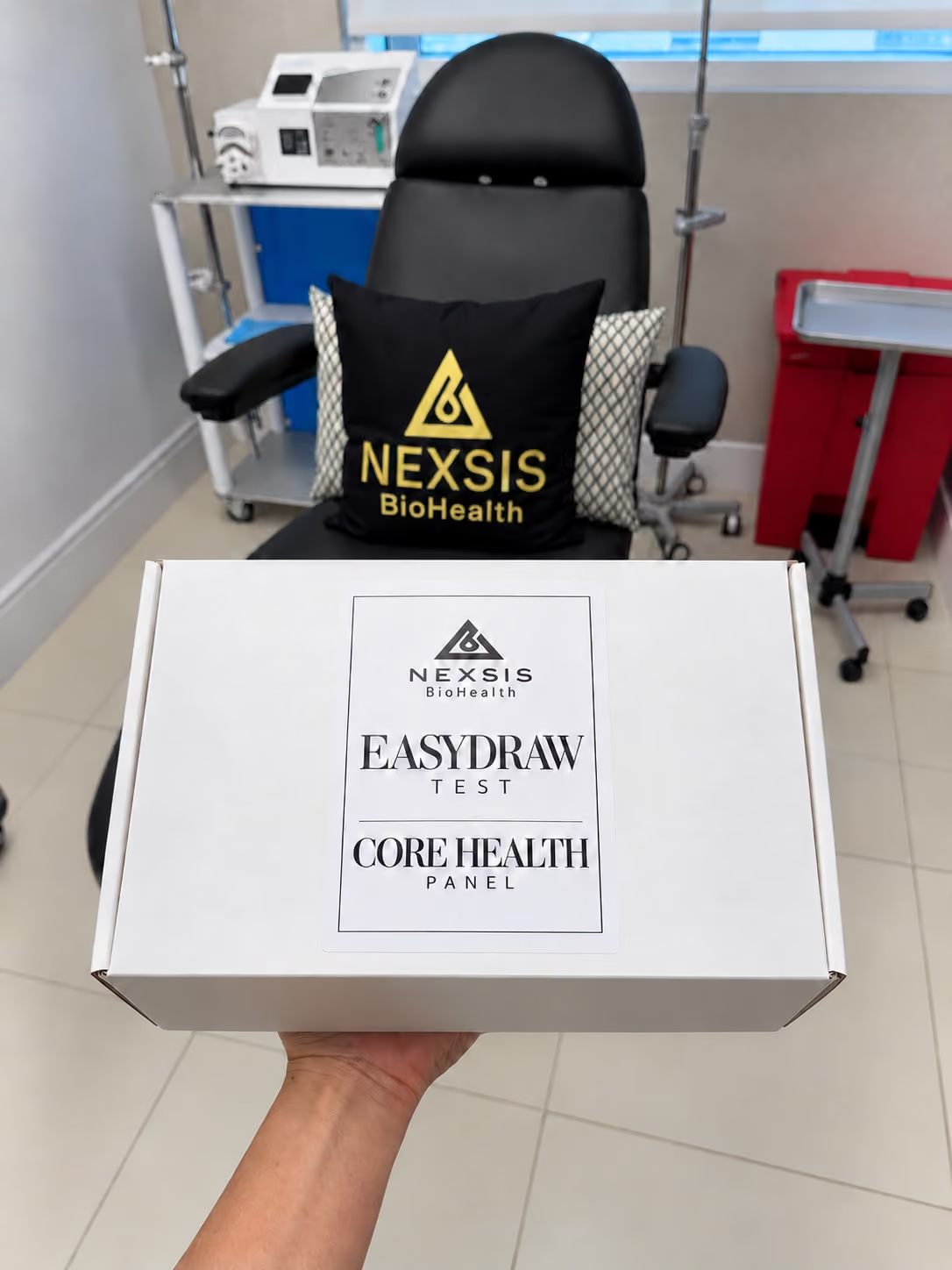
A yearly baseline in a single collection. Cholesterol and the wider lipid picture, blood sugar control, inflammation, vitamin D, iron storage, thyroid and the core sex hormones. The right first test if you have not had bloodwork in a while.
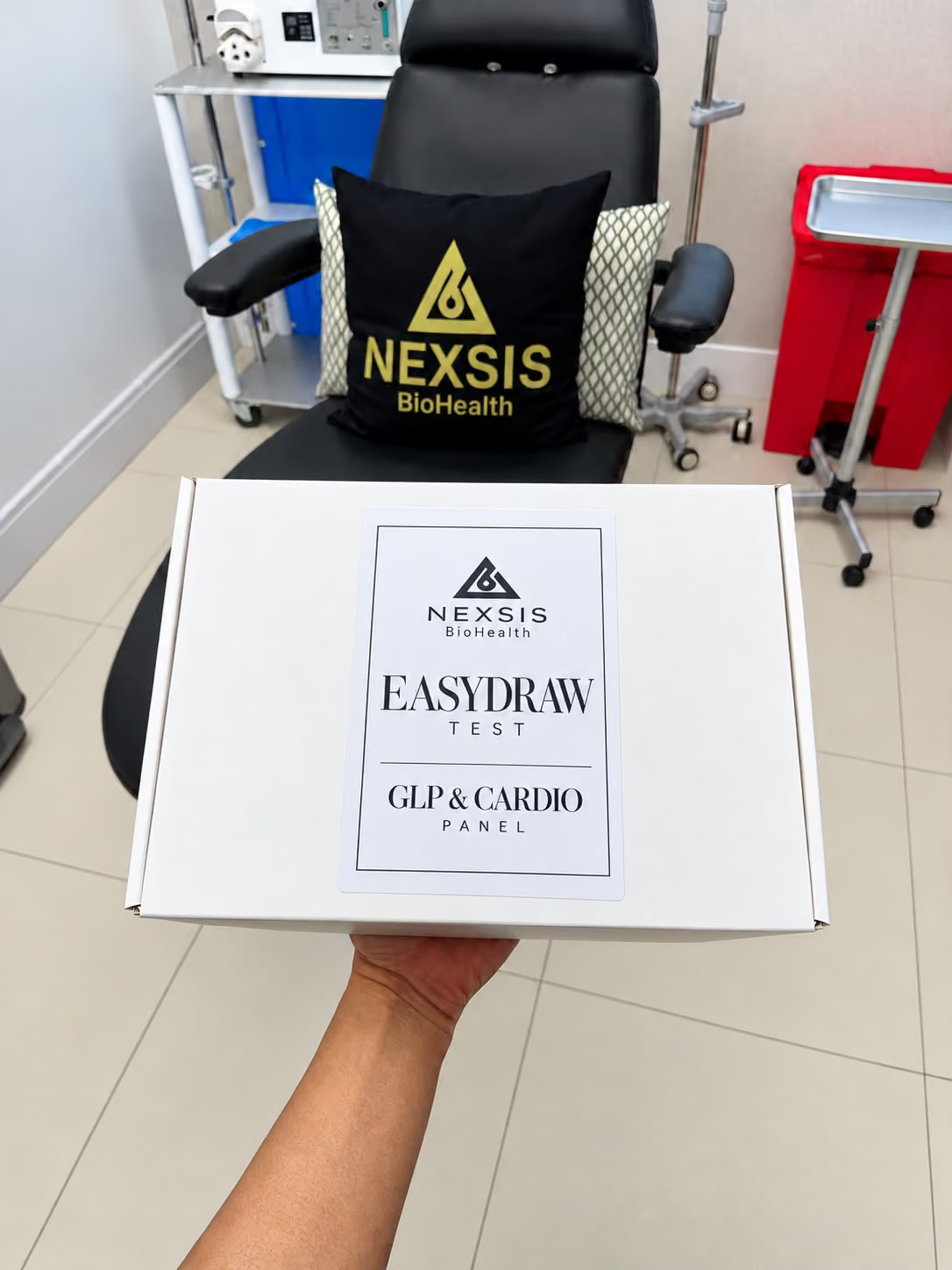
The full lipid and cardiovascular picture, blood sugar and insulin signalling, inflammation, and liver and kidney function. Built for people on semaglutide, tirzepatide or another GLP-1, and for anyone watching metabolic and heart markers while their weight and habits change.
A full blood count alongside the hormone markers that matter while you are on hormone therapy, with a prostate marker added for men and progesterone for women. Built for regular check-ins rather than a one-off.
The female hormone picture, thyroid including the active thyroid hormone, iron status and blood sugar. For women tracking a change they have noticed, or building a baseline for the years ahead.
Full blood count, liver and kidney function, inflammation, blood sugar, the relevant hormones and a growth-factor marker. Baseline and follow-up for anyone on a peptide protocol or about to start one.
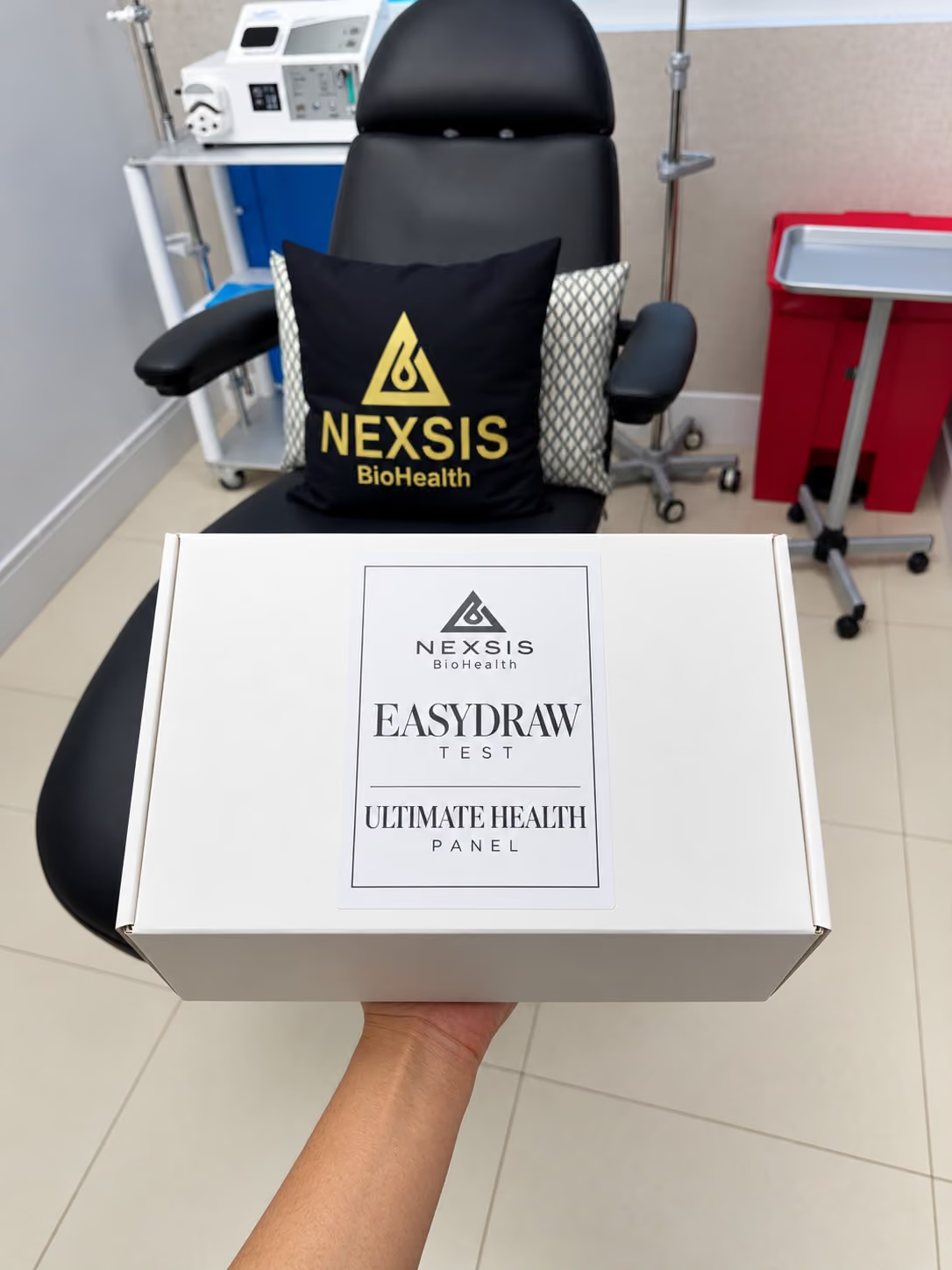
The widest view we offer. Advanced lipid and cardiovascular risk markers, metabolic and inflammation markers, the stress hormone, vitamins and minerals, full iron studies, liver and kidney function, full thyroid including antibodies, and the complete hormone set.
Want the long version first? Our founder walked through it in detail: Needle-Free Blood Testing in Miami: Juan Salcedo on Drawing Labs Without a Needle.
Heavy metals are the clearest example. If that is what you need measured, we arrange a conventional draw instead of working around it.
Results take three to five business days. If something is acutely wrong, that is an emergency room, not a panel.
Numbers mean something next to your history and how you actually feel. That is what the physician review is for.
Four steps. The collection itself is the shortest part of it.
A short intake decides which of the six panels fits what you want to find out.
A single-use device warms a patch of your upper arm and draws the sample through the skin. A few minutes, no vein, no finger prick.
The sealed sample is picked up the same day and analysed at an outside laboratory, on the same assays a venous draw would use.
You sit down with our physician team and leave with a plan, not a chart to interpret on your own.
The collection method matters most to the people who have been avoiding the needle, and to anyone who needs to test often enough to see a trend.
Peptides, hormone therapy or a GLP-1. You need a baseline before day one, and follow-up panels once you are on it.
This is the reason a lot of people skip bloodwork for years. Take the needle out and the reason goes with it.
Small or deep veins, older patients, and anyone who has been stuck three times for one panel. Collection through the skin sidesteps all of it.
One panel is a snapshot. Four a year is a direction, and the direction is what your clinician actually acts on.
I will not start anyone on a protocol without blood work. Not because it is protocol, because I would be guessing otherwise.
Our clinic is in Brickell, Miami, and we see blood testing patients from Coral Gables, Coconut Grove, Downtown Miami, Key Biscayne and across South Florida. Blood work can be booked on its own, with no membership and no other service required. New clients are welcome.
Results are interpreted by our physician team. If a marker needs a conventional draw, heavy metals being the clearest example, we will tell you and arrange it rather than working around it.
Book with our physician team in Brickell. We will help you choose the right panel, collect it without a needle, and review the results with you when they come back.